
The Soil CRC PhD Program is taking a cohort-led approach for its final six months, facilitated by PhD Program Manager Dr Cassandra Wardle.
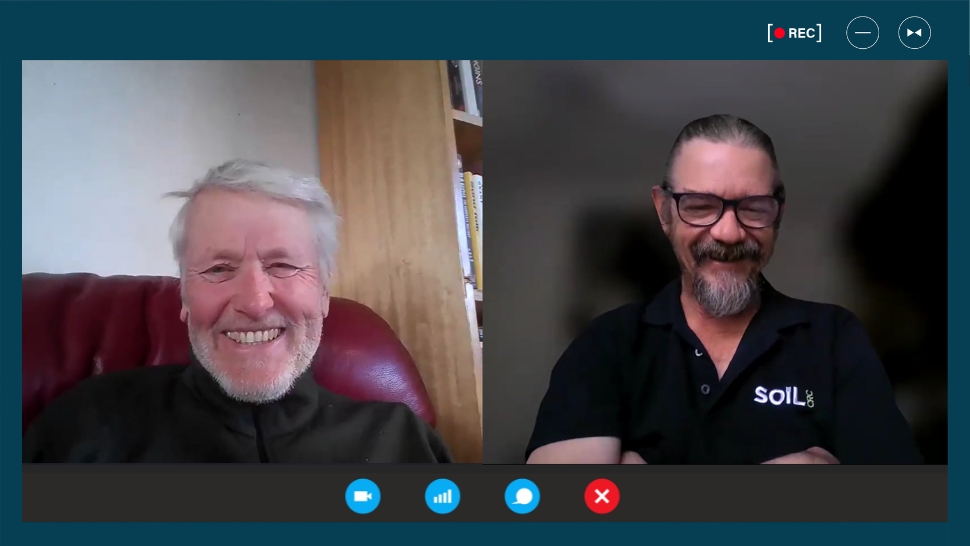
The program has two final major initiatives: an online Q&A series featuring guests from across the Soil CRC community, and an in-person student event in October.
Student input has always been at the foundation of the PhD Program, but Dr Wardle says an additional goal now is to give the cohort opportunities to also contribute to organising and implementing the initiatives.
“The idea is that, in addition to gaining value from participating in program activities, students can also gain value throughout the process of developing and delivering them,” Dr Wardle said.
“For example, guest liaison roles provide networking opportunities; writing speaker descriptions that both accurately reflect a guest’s experience and resonate with student interests builds strategic communication skills; and gathering cohort input and feedback provides valuable stakeholder engagement experience.”
Two recent Soil CRC PhD alumni, Dr Phil Kay (University of Tasmania) and Dr Bhavya Mod (University of Newcastle), have been engaged as casuals to help facilitate the cohort-led approach.
“Having Bhavya and Phil involved has been so important for strengthening cohort ownership of the activities,” Dr Wardle said. “They have both built such strong relationships across the student body, including across programs, universities, disciplines, and cultures, and they care about supporting our cohort just as much as I do.”
“Phil has voluntarily taken on leadership roles at every one of our in-person PhD activities over the life of the CRC, so it is particularly fitting that he is involved in this last one even though he has now finished his PhD.”
Supporting Dr Mod and Dr Kay are PhD committee members, Chris Wilmot (Charles Sturt University), Evanna McGuinness (Southern Cross University), Vibin Perumalsamy (University of Newcastle) and Ben Enguwa (Southern Cross University).
“I really appreciate the time and effort these committee members are putting into making this work,” Dr Wardle said. “A cohort-led approach only works when members of the cohort are willing to step up and get involved.”
The Q&A sessions aim to offer insight into various roles, organisations, skillsets, expertise, and career paths, and how these contribute to research, translation and impact.
“The intention is to strengthen the students’ knowledge of the broader ecosystem that their research sits within, contributes to, and is shaped by,” Dr Wardle said.
The first Q&A session, moderated by Dr Mod, took place in June and featured the Soil CRC’s Research Administration Manager, Dr Lucy Weaver. Students asked Dr Weaver about her PhD in Organic Chemistry, her Postdoctoral position at CSIRO, and her more recent experience in research development and project management across universities and government.
Two more Q&A sessions have since been delivered by our cohort, featuring former Soil CRC Program 2 Leader Dr Richard Doyle (moderated by Dr Kay) and Soil CRC Board Member, Rob Milla (moderated by Ms McGuinness).
Dr Doyle impressed on students the importance of being proactive and engaged in their chosen fields, and of making an effort to get more involved. Mr Milla highlighted the importance of building relationships, and of understanding the concerns, priorities and constraints of farmers and other end-users before extending research to them.
The in-person event will be held at Griffith University in Brisbane in October, providing another opportunity for students to come together, learn and connect before the Soil CRC’s final conference next year. The event program is being co-designed by the students and includes workshops, panel discussions, professional development sessions and group activities.
The cohort-led initiative will continue for the remainder of the year, with further activities planned to support students as they prepare for the next stage of their careers.