
In Australia, nitrogen fertiliser use has increased by over threefold in the past three decades to meet food production demand. Less than half of nitrogen fertiliser is taken up by plants, so improving nitrogen use efficiency (NUE) is critical for delivering food security and net zero emissions targets.
Soil CRC researchers have developed three novel organic-based slow-release urea fertilisers, using peanut shell biochar, cow manure, and green waste compost as an outer coating. These formulations have shown to have higher NUE, higher crop yield and less soil nitrogen losses than conventional urea-nitrogen fertilisers in small-scale glasshouse trials.
Dr Yunying Fang and Prof Chengrong Chen from Griffith University are leading a Soil CRC project (3.1.009) to scale up the manufacturing of these innovative fertilisers and carry out large-scale glasshouse and field trials to optimise usage and placement across different cropping systems, agroclimatic conditions and soil types.
“We are working with Soil CRC grower group participants Birchip Cropping Group in Victoria, Burdekin Productivity Services in Queensland and Central West Farming Systems in New South Wales to co-design, establish and manage the field trials,” Dr Fang said.
“The project will deliver recommendations for usage and placement of these fertilisers for broader application by farmers. The overall aim is to increase production, profitability and ecological sustainability for farming systems.”
Project update
The project team refined the three organic-based fertiliser recipes and produced these in collaboration with an Australian-owned organic fertiliser manufacturer. A trial is underway to help improve the manufacturing techniques used for the fertiliser granules with the aim of making them easier to apply at a large scale.
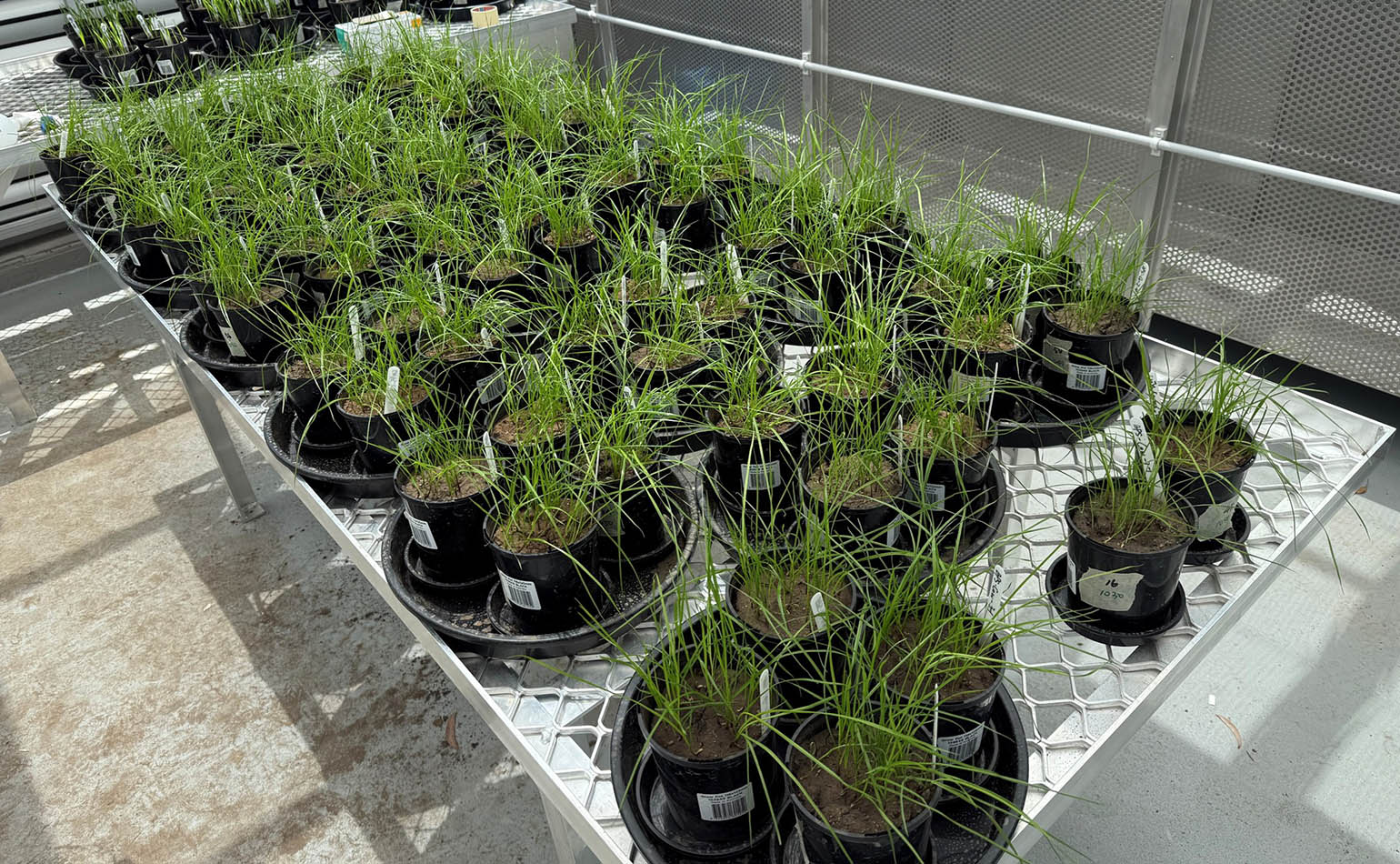
A glasshouse experiment was established in an indoor growth chamber at Griffith University, to test the NUE of the novel fertilisers, as well as their potential impacts on soil and environmental health.
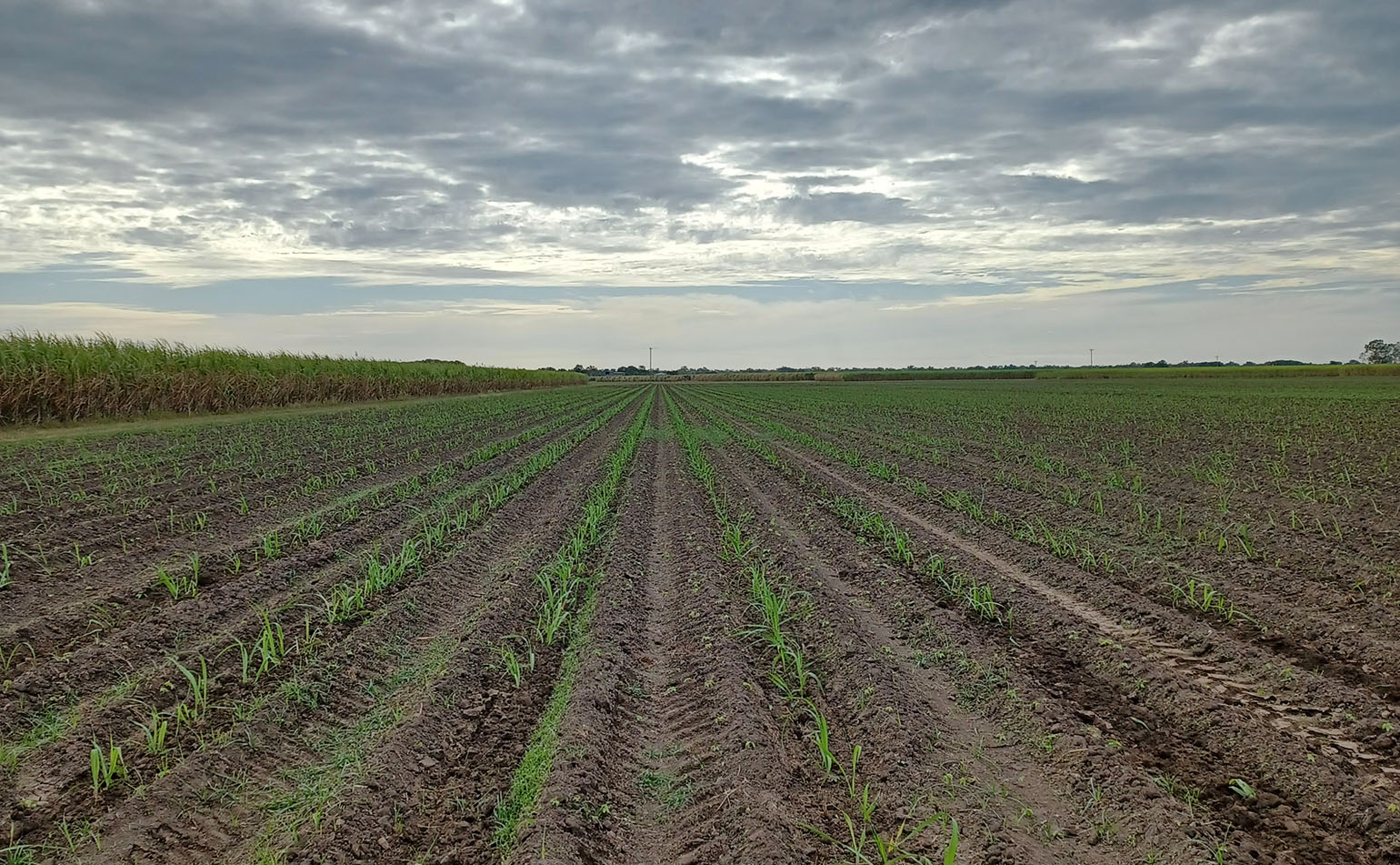
The three field trials were established in Burdekin (Qld), Condobolin (NSW) and Birchip (Vic) and baseline soil samples were collected and analysed to create a dataset. At each location, a field with low soil-available nitrogen was selected based on the soil test results for the trial establishment.
A detailed field protocol was developed in consultation with all partners to guide the field trial for the 2025 growing season – Winter wheat was sown in the last week of May 2025 at both the Condobolin and Birchip sites, following a major rainfall event. Sugarcane was planted in mid-May 2025 at the Burdekin site.
The first year of the field trials was completed at the end of 2025, and biomass and soil samples were collected and analysed. The first glasshouse trial was conducted successfully and the preliminary data examined.
Preliminary findings
- Field trial results indicate that organic-based fertiliser products improved plant growth at the early growth stage.
- Crop yield and grain quality data from field trials indicated that organic-based products may have increased NUE compared to traditional nitrogen fertilisers.
- Results from the glasshouse experiment indicate that organic-based nitrogen fertiliser may enhance plant root system development compared to traditional nitrogen fertilisers.
Next steps
The fertiliser formulations will be tested at the three field sites for another growing season, and the project team will continue to evaluate NUE, crop performance, soil health and environmental impacts.
The data will provide a better understanding of the effectiveness of these fertiliser products and will assist ongoing discussions with industry representatives about potential commercialisation pathways.
Charles Sturt University will conduct an economic analysis, and the project will deliver recommendations for usage and placement of these fertilisers for broader application by Australian farmers. The project is on track to deliver the findings in early 2027.
Watch the 2024 project overview video
Related projects
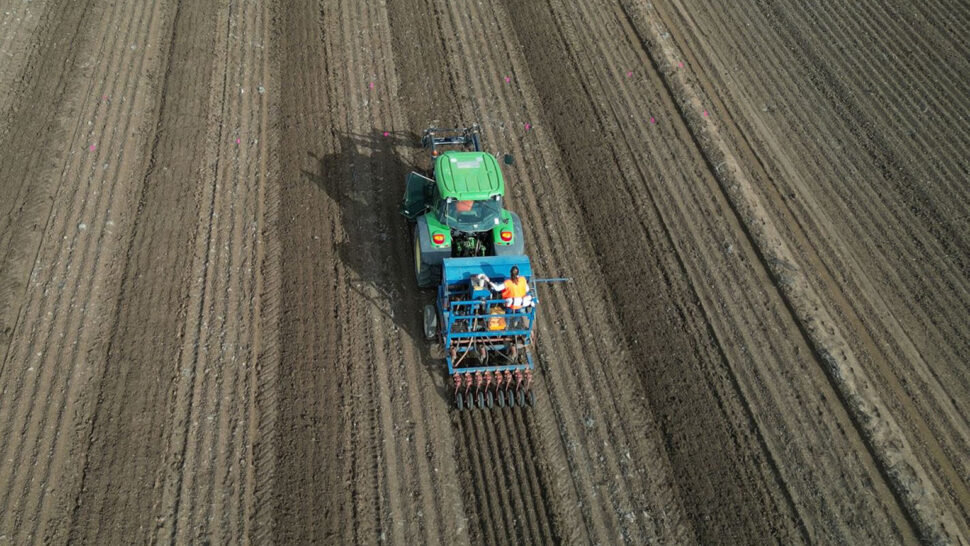
Main image: Sowing the Central West Farming Systems’ field site in Condobolin, NSW.