
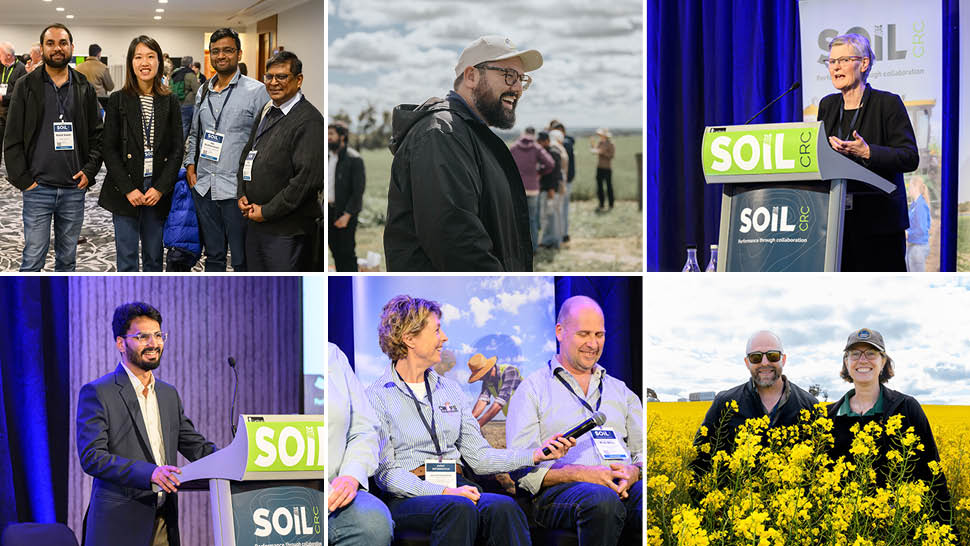
More than 160 Soil CRC researchers, PhD students, grower groups and industry representatives from across Australia came together at the Duxton Hotel in Perth Western Australia for our penultimate Soil CRC Participants Conference. We shined a spotlight on our latest soil research and demonstrated how it is delivering practical solutions for Australian farmers and the agricultural industry.
Day 1: Participants day strengthens collaboration
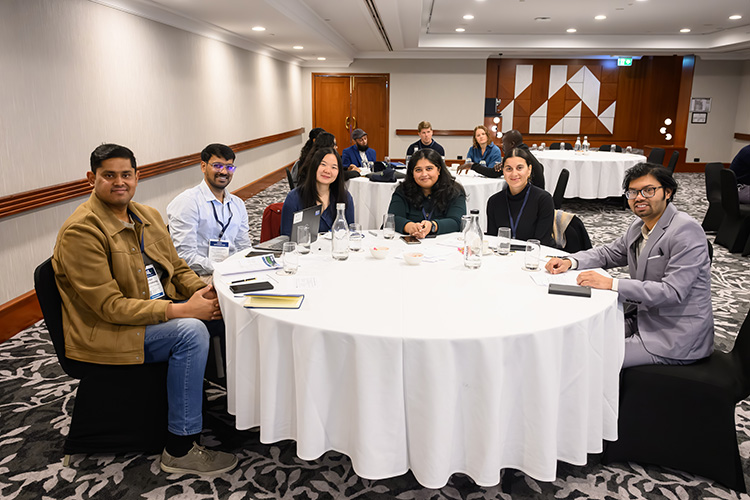
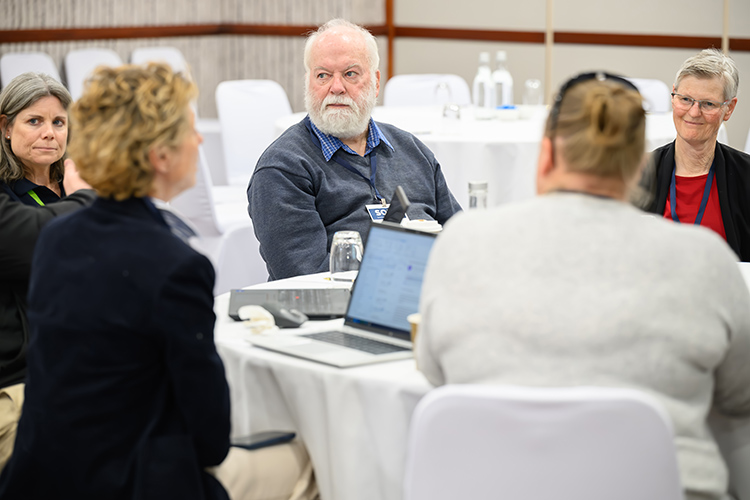
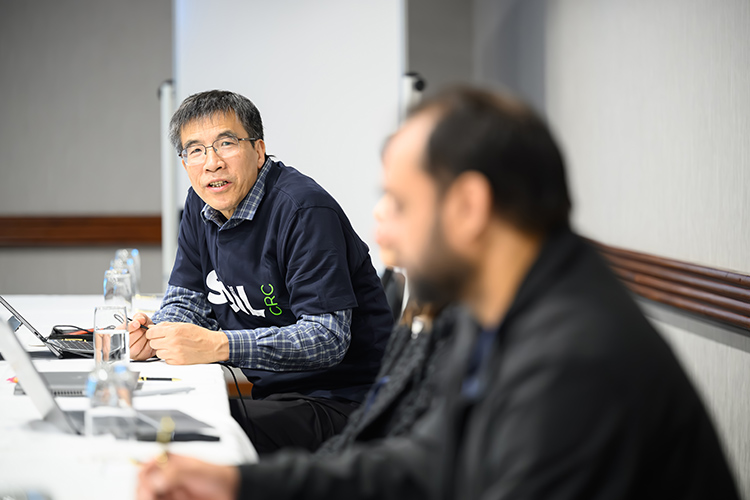
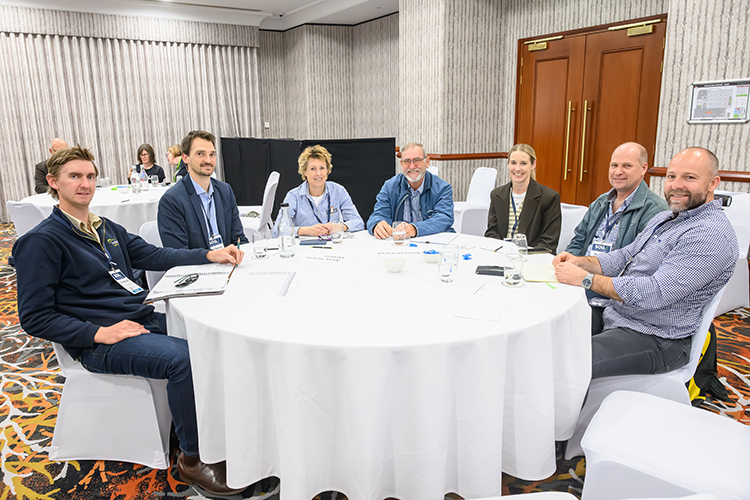
A key feature of our annual conference is the dedicated project and program meetings that take place on the first day. This year, Soil CRC participants and staff came together to discuss research projects, set priorities and explore the challenges and opportunities to be addressed over the remaining 22 months of our 10-year-funded term.
Concurrently, our hands-on PhD student workshop, led by Soil CRC PhD Program Manager Dr Cassandra Wardle, prepared students for life beyond their PhD and encouraged them to build on the valuable connections they have made through the Soil CRC.
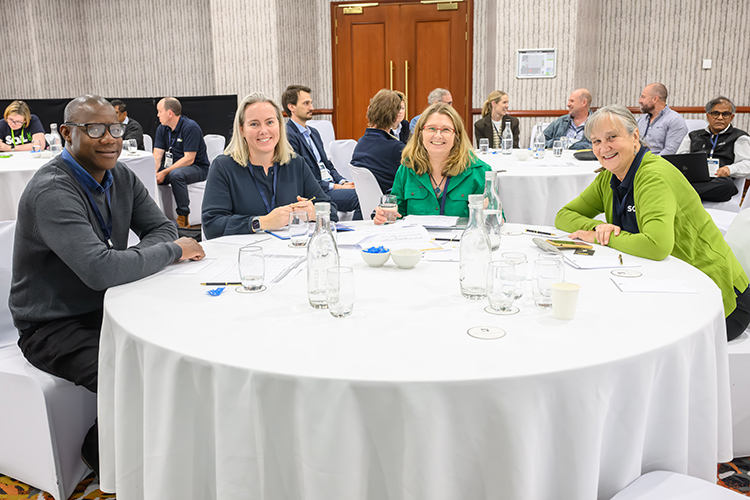
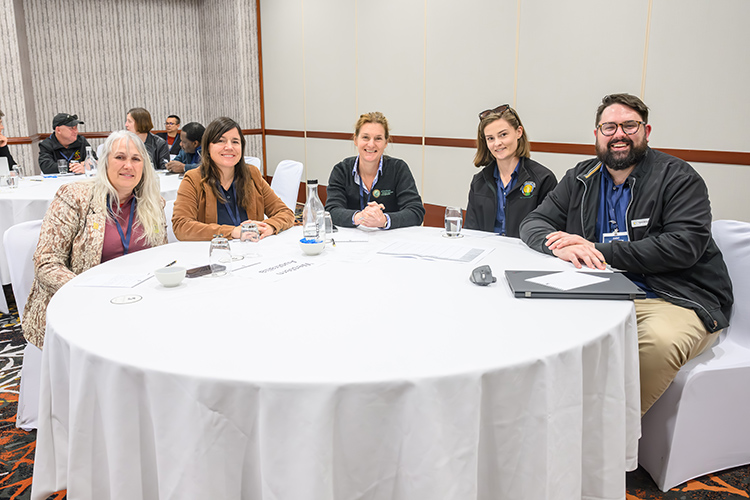
In the afternoon, Soil CRC Soil Knowledge Broker Felicity Harrop led a productive workshop focused on the implementation of our Adoption Plan and how Soil CRC staff, researchers and grower group participants will work together to tailor our awareness, extension and adoption activities to local farming systems and audiences.
“The workshop reaffirmed the importance of focusing on farmer-driven needs, with high interest in soil health, soil constraints including sodicity and acidity, nutrient management, and decision-support tools. Guidance on ‘extension ready’ projects was provided through the Soil CRC Accelerator Program for maximising adoption and engagement,” Felicity said.
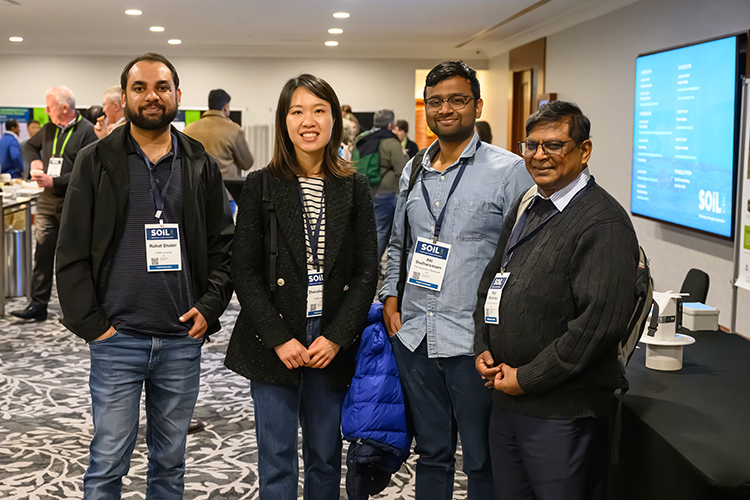
The day afforded ample networking opportunities to facilitate new collaborations and strengthen existing alliances.

Day 2: Plenary showcases research success
Members of the public joined us for the conference plenary on day 2, which started with an enlightening Welcome to Country by Aunty Karan Hayward and Jermaine Davis from Wheatbelt NRM.
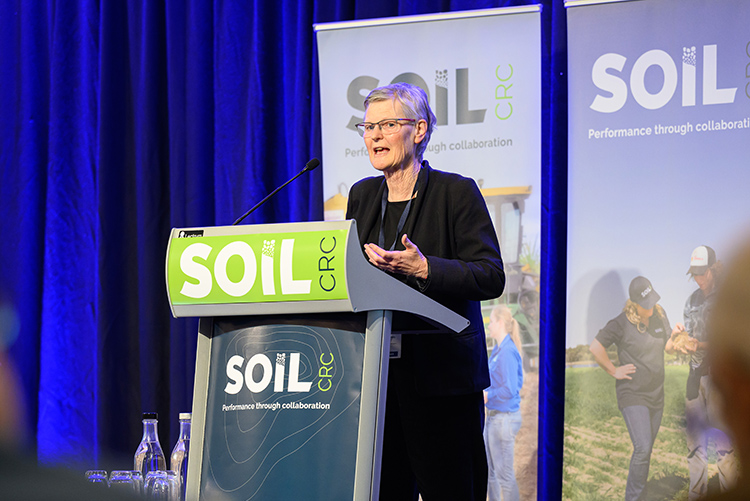
Emeritus Professor Richard Bell from Murdoch University delivered the keynote address on WA soils and sustainable agriculture, highlighting historical, current and future challenges across the region. With 40 years of experience to draw upon, Richard’s perspectives and insights were very interesting and helped to set the scene for the day.
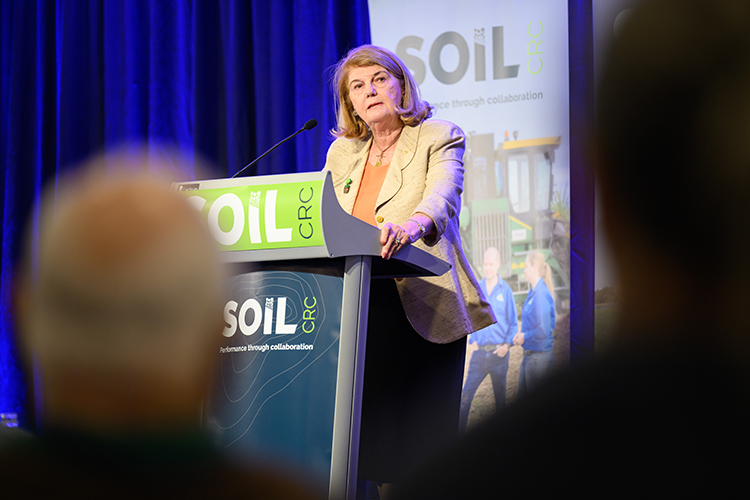
The Hon Penny Wensley AC then addressed delegates in her role as Soil CRC Patron and spoke about the Soil CRC’s legacy.
“The collaborative nature of the Soil CRC should be commended,” Ms Wensley said. “When the CRC winds up, many of the stakeholders in this room will not only benefit from a strong legacy, but will continue working to help realise the economic, social and environmental benefits from the CRC’s work.”
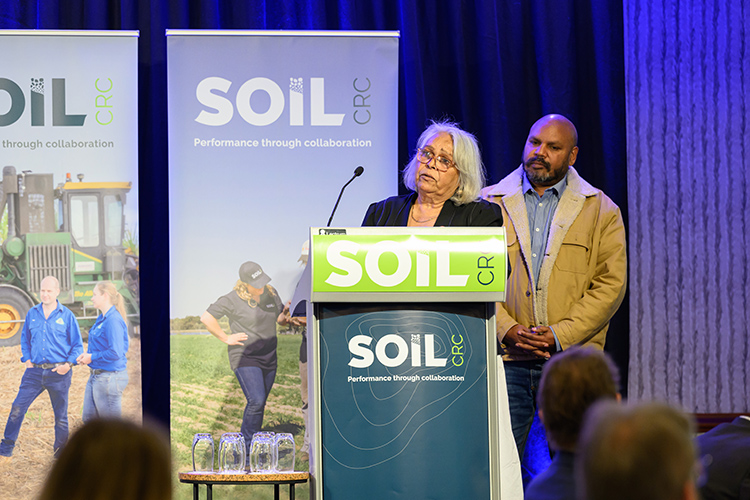

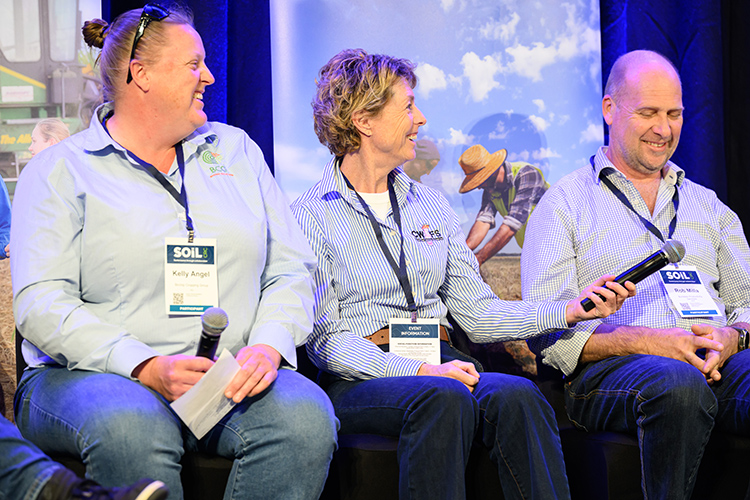
We then heard from our WA farming group participants — Joy Valle from Corrigin Farm Improvement Group, David Minkey from the Western Australian No-Tillage Farmers Association, Renata Paliskis from Wheatbelt NRM, Tina Astbury from Facey Group, Chris O’Callaghan from Liebe Group and Simon Kruger from West Midlands Group — who provided a local perspective and spoke about their own operations and involvement with the Soil CRC. It is always valuable to get an end-user perspective on the value and relevance of the Soil CRC’s research.
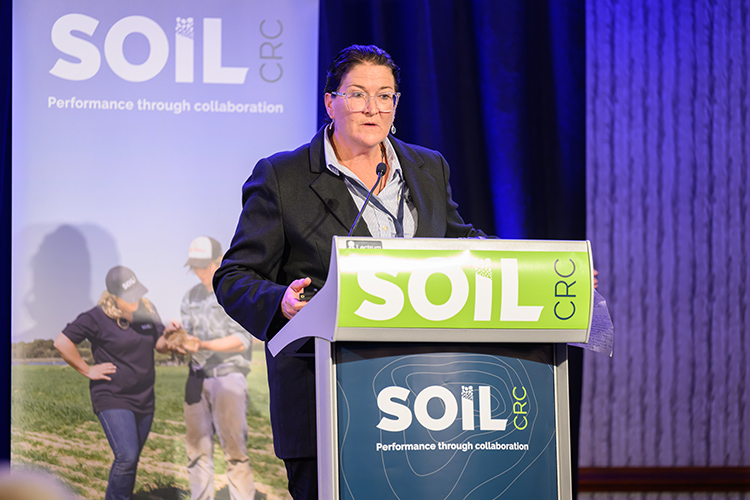
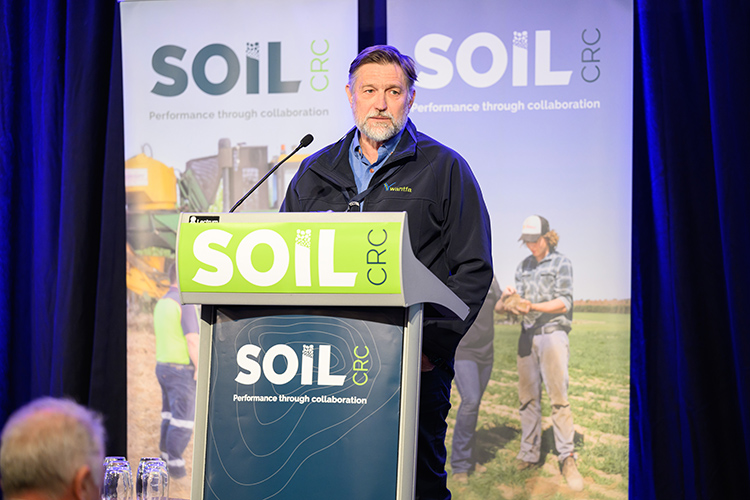
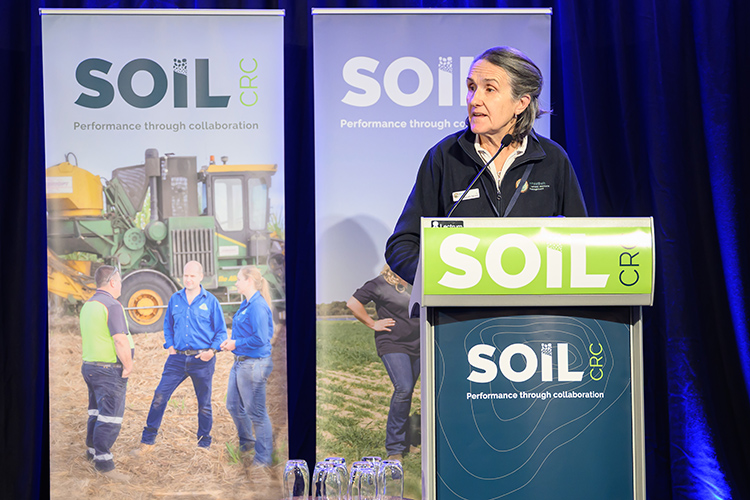
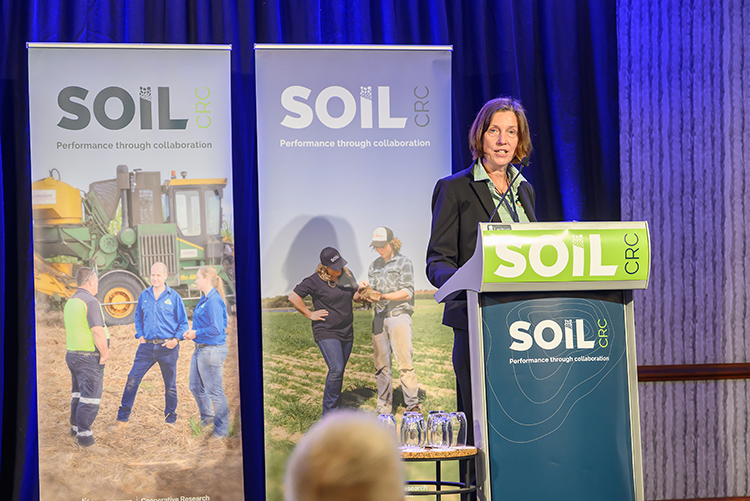
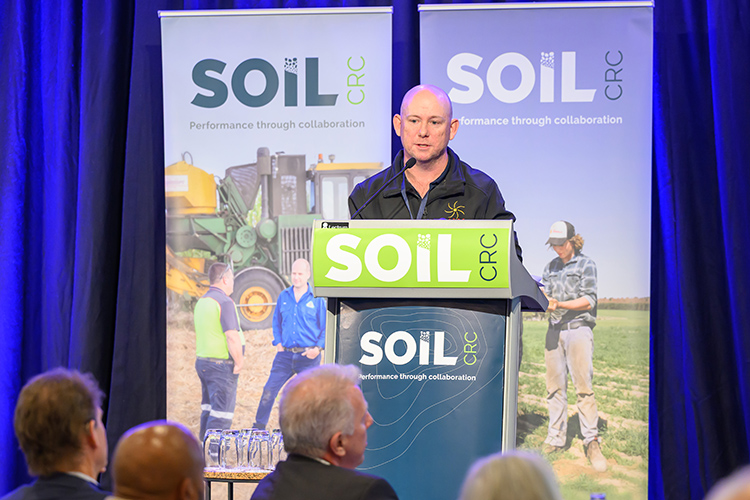

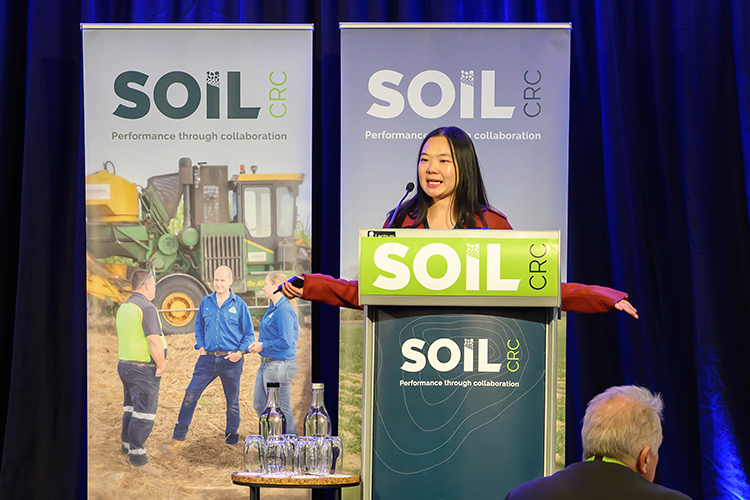
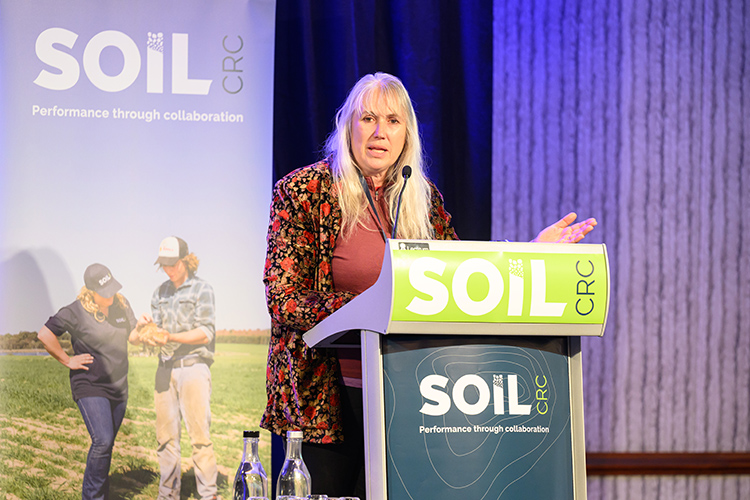
The day continued with detailed research presentations, a panel discussion about how farming systems groups accelerate research impact (dubbed the ‘farmer filter’), and 13 insightful PhD student presentations that highlighted the work being delivered by the Soil CRC. Delegates also heard from our invited guest speakers, Nick Ktoris and Marc Intervera from Sentek, who spoke about how they are partnering with the Soil CRC to help take our soil technology to market.
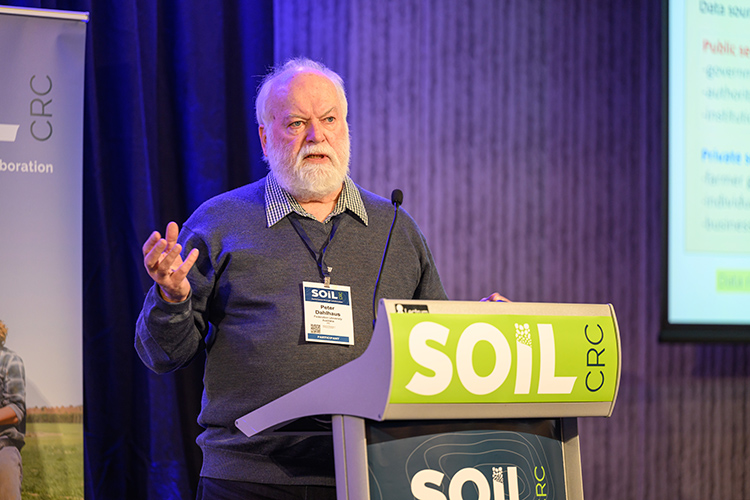

Some of our soil technology was on display again this year, including the latest versions of the QUOLL® e-nose, BILBY® below-ground communications node, and BANDICOOT® soil profiling tool. Our tech gurus, Dr Marcus Hardie and Simon Edwards, from the University of Tasmania, were on hand to answer questions about the development of these innovative devices.


Day 2 concluded with PhD student Phil Kay giving an overview of the Soil CRC PhD experience on behalf of the Soil CRC student cohort and expressing gratitude to Soil CRC participants, emphasising the benefits of being part of our student cohort. You can read more about Phil’s speech here.
In his closing remarks, Soil CRC Chair Dr Paul Greenfield AO noted some of the key impressions he took away from the conference, including the growth in self-confidence of our grower group participants and the links they have forged.
“There are grower groups running a research project; but more than that, they’re influencing other projects dramatically,” he said.
He concluded by observing that while the CRC entity will come to an end in less than 2 years, the CRC is really about the people, the projects and the interconnections between them.
“In the next 2 years, you need to think about how you’re going to keep the essence of the CRC, which are those interconnections – between people and projects, and people and people,” he said.
Recordings of all Day 2 presentations are available to view on the Soil CRC’s YouTube channel.


Day 3: Field trips dig into long-term experiments
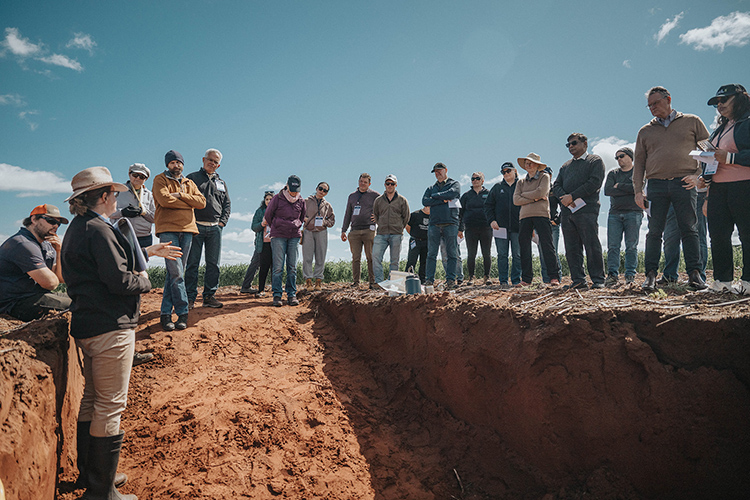
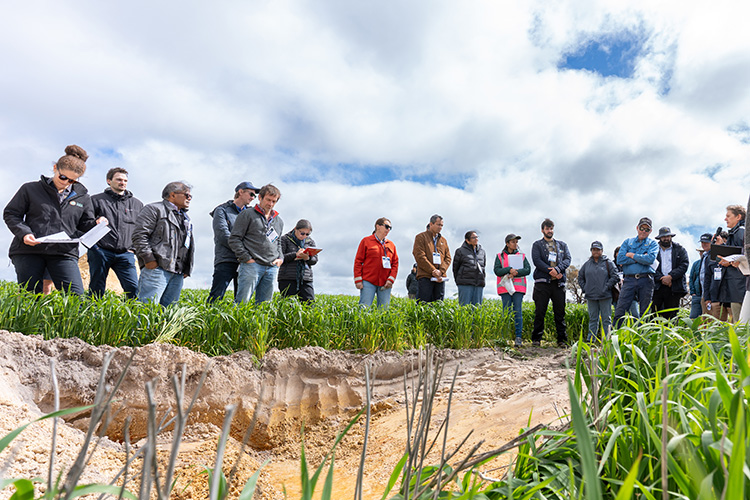
On the final day of the conference, rain clouds parted and the sun made a welcome appearance for our much-anticipated field trips. One tour group headed 200km north to Wathingarra and the other around 210km south-east to Kweda and Bullaring to inspect some of the Soil CRC’s long-term experiments.
Murdoch University’s Emeritus Professor Richard Bell and Professor Richard Harper set the scene with their expert commentary en route, before delegates headed into the field to see how Soil CRC research is tackling constraints that are characteristic of the WA Wheatbelt’s sandy soils.
West Midlands Group hosted the northern field trip, which visited Velyere Farm in Dandaragan, followed by the Wathingarra long-term site in Badgingarra, where we are investigating stacking combinations of soil amelioration and organic amendments on deep red sands with severe water repellence.
In the south-east, Corrigin Farm Improvement Group welcomed the tour group to the Kweda site and Facey Group hosted the tour at Bullaring. These sites are examining soil amendments and plant-based treatments to alleviate soil constraints on a sandy duplex soil and a deep sand, respectively.


A legacy of collaboration and connection
Reflecting on this year’s conference, Soil CRC CEO Dr Michael Crawford said it is evident that one of the CRC’s greatest strengths is its people and the connections they have made.
“This year’s conference focussed on the Soil CRC’s legacy and what that will look like when we finish up in 2027,” he said.
“A consistent message across presentations, meetings and discussions was the immense impact of the relationships and networks that have been created through our research collaborations.
“This is a critical component of Cooperative Research Centres, and I hope that it will be an enduring legacy of the Soil CRC.”
Thank you
The success of this year’s Participants Conference was due in large part to the contributions and support of our presenters, participants, delegates, staff and organisers.
“Many thanks to everyone who helped to plan the event — from the engaging meetings and research presentations to the impeccably run field trips — and thanks to all the delegates who joined us for our penultimate conference,” Dr Crawford said.
“As the Soil CRC is entering into its final stages and wrapping up in June 2027, we will not have a conference in 2026. We will hold a final Soil CRC conference in late March 2027 to showcase our achievements and celebrate our successes. Further information will be shared as planning progresses.”